

University of Texas Permian Basin
Transforms degree planning and advising in 11 months

John Papinchak doesn't remember the exact date, but he remembers the moment. It was 2017, and Carnegie Mellon University’s Registrar was negotiating a contract with a startup that had no customer universities, no track record, and a product that was barely out of beta.
The degree audit system CMU had been using was dying. It was a DOS-based application that required programming knowledge to manage, and CMU was the only school using it. If it broke, there was no one to call.
John had been searching for alternatives since 2015. That spring, during a visit to CMU's Doha campus, an associate dean and faculty advisor named Mark Stehlik mentioned a student project John should see. The students, frustrated with clunky degree planning systems, had started building something for better degree planning. Stehlik believed in what they were creating enough to make the introduction. Though John liked what he saw, it was early.
By summer 2016, those graduates had come back to campus with a more developed version, and the team at CMU was excited for it. The interface was clean and student-friendly. The architecture made sense. But this wasn't a safe bet.
I made the comment to the team at one point while we were going through these negotiations. I said, if this works, it's going to be fantastic.

A little more than a year later, CMU went live, the old system was sunset, and Stellic became the foundation for degree audit and planning across campus.
The impact was immediate. For the first time, students could see their degree progress in real time: every requirement, every planned course, all laid out clearly. Advisors shared the same view, eliminating the confusion that came from students and staff looking at different systems.
John started hearing feedback quickly. Students found the platform intuitive. Advisors could spend their appointments differently.
"I heard from students that they liked the application, and advisors got excited because they're able to help students master the administrative bureaucracy and instead spend time having a meaningful dialogue about what their career goals may be", John said.
Departments could update requirements without filing IT tickets or waiting days for changes, handling curriculum updates and processing exceptions locally. The platform gave CMU something the old system never could: autonomy.
As the platform matured, so did CMU's sophistication in using it. What started with undergraduate degree audits expanded to graduate programs. And as more departments started adopting, the biggest transformation became clear: empowerment. CMU's decentralized structure means colleges and graduate programs manage their own requirements. The old system required programming knowledge and central IT support for every change. Stellic removed those barriers.
Being able to edit and publish our own audits absolutely is a game changer. In the program I manage, we review new courses every semester so I am able to quickly update the audit for student exploration.

Departments didn't just adopt Stellic, they pushed its use cases further. Holly Skovira, a graduate advisor in Electrical and Computer Engineering, saw this unlock new possibilities for her students. ECE created multiple degree pathways in Stellic to help students navigate the program's flexibility, whether they're planning complex prerequisite chains, pursuing an integrated master's program, or studying abroad.
In her own words, "these pathways help us advise students on ideal schedules before we even meet with them. Students come in with a base plan, which allows for richer conversations."
The platform's capabilities grew more sophisticated. Over time, Holly used milestones to remind students of the graduate requirements they must complete by certain semesters. Time constraints prevent outdated courses from counting toward degrees. Workflows replaced a patchwork of fillable PDFs, personal emails, Excel spreadsheets, and Word documents for student petitions, streamlining everything into one place where reviewers can access decisions and notes instantly. The result was more impactful and effective advising.
Every single advising appointment I have starts with Stellic pulled up on my screen so I can get a full picture of where the student is academically. Simply put, I couldn't do my job as effectively without it.

Andrew Ramey, Director of Advising in CMU's Dietrich College of Humanities and Social Sciences, found unexpected value in the reporting that the platform allowed for. "I expected Stellic to be a useful one-on-one advising tool, but I did not expect it to be so helpful in analyzing trends in our larger student population", he said.
Those reports now help identify first-year students who need support and surface seniors missing final requirements. Instead of reacting to problems, Andrew's team acts earlier.
Advisors and administrators have put the platform to work at scale, creating over 34,000 saved reports, processing over 47,000 exceptions, and building over 45,000 student pathways.
Eight years in, the results continue to show up in how students engage, how advisors work, and how confident the institution feels about continuing to expand.
Students are planning ahead. With 80% adoption, students are taking full advantage of Stellic. Using the platform to explore possibilities, test out double majors and minors, and arrive at advising appointments ready to talk about goals instead of asking what counts.
If Stellic were taken away, it would honestly be very harmful for my academic career. I'd have to spend a lot more time taking away from my classes just to plan.
Advisors are freed up for what matters. When students and advisors see the same information, appointments shift. Instead of reconstructing a student's history or confirming what courses count, advisors can focus on career goals, academic interests, and meaningful planning.
Operations run smoother. Real-time reporting gives staff visibility without waiting on IT. Tracking student progress, identifying who needs support, and understanding demand patterns all happen faster.
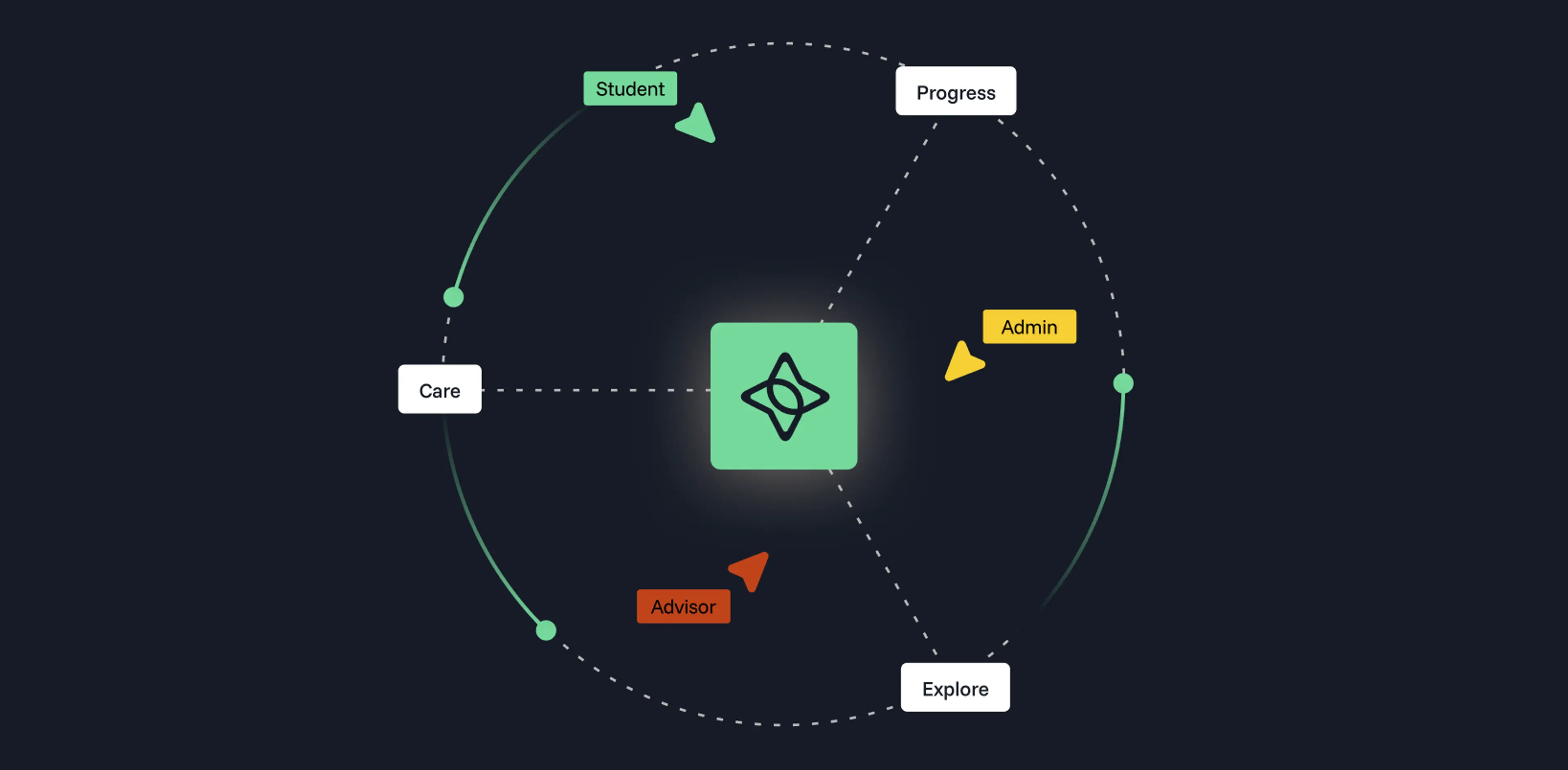
The partnership continues expanding. After years of relying on Stellic for degree audit and planning, they're now adopting Stellic Care to bring advising, scheduling, and student support into the same connected system.
Stellic as a platform has grown tremendously over the years, but I don't think it's outgrown us. If anything, our challenge is to maximize all the potential features. As an institution coming to Stellic for the first time, with its full suite of features, I think it would be even easier to maximize the benefits.

Eight years ago, John sat in a room wondering if the decision he was making would work out. The platform those students built—named after the advisor who believed in them, Mark Stehlik—now serves 16,000 students at CMU and over 80 institutions nationwide. For a university built on innovation and ambitious goals, that's exactly the kind of bet worth taking.