Campus tech is at an inflection point. Budgets are tighter, technical debt is piling up, AI expectations are everywhere, and the gap between what students expect and what they're getting keeps growing.
As higher ed enters an era defined by AI, cloud-native architectures, and intensifying technical debt, CIOs are making architectural decisions that reshape their institution's digital future. In a recent EDUCAUSE webinar, Kelly Doney (VP and CIO, University of Virginia) and Daren Hubbard (VP for IT and CIO, Princeton University) joined Stellic's Founder & CEO, Sabih Bin Wasi, to examine five questions worth asking when evaluating modernization strategies in complex, decentralized environments.
Watch the full recording below, or read on for a recap of the five questions and key moments.
1. What specific problem are we actually trying to solve?
The instinct is to start with technology: which system do we replace? But both Kelly and Daren pushed back on that framing.
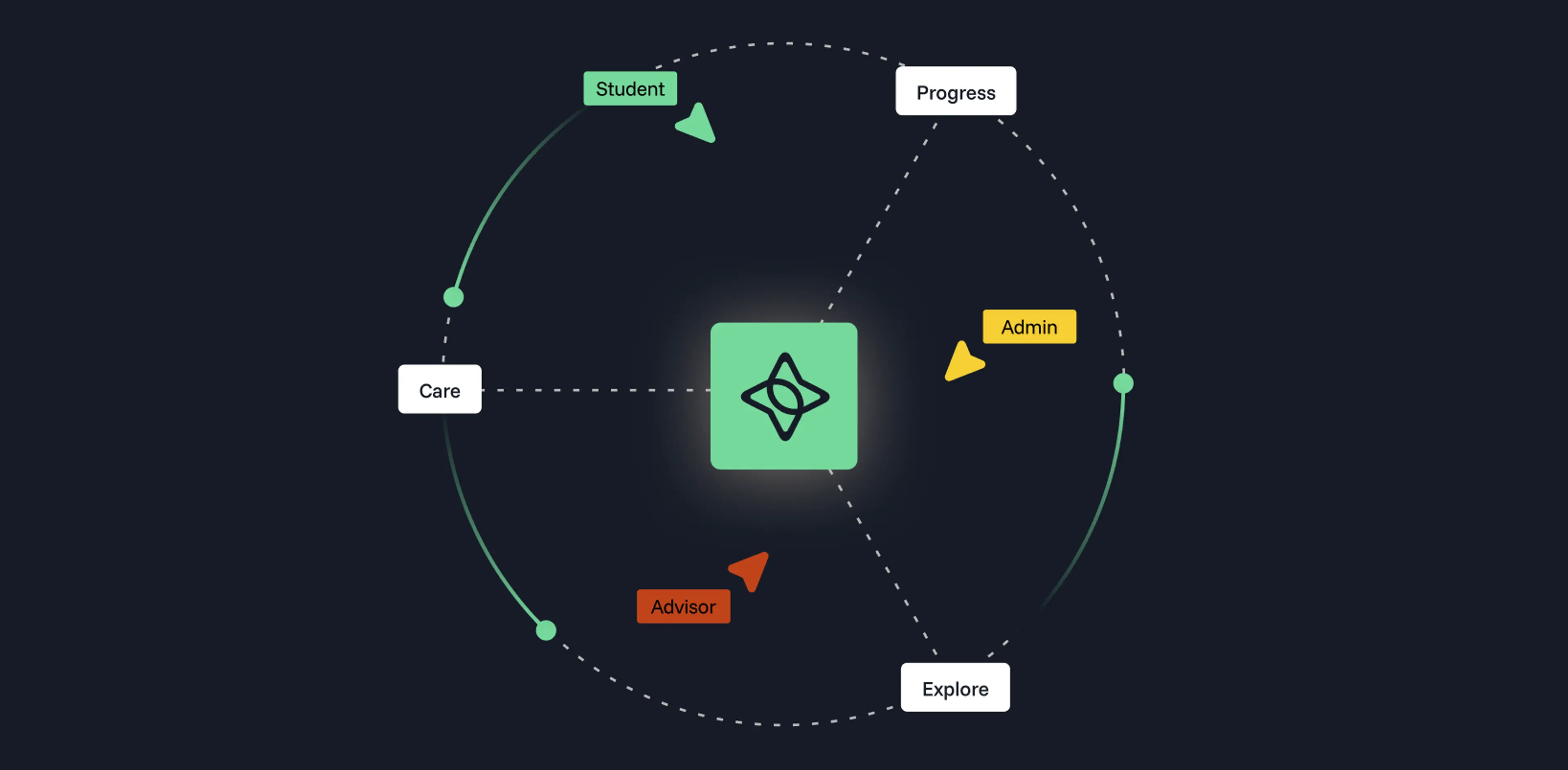
At UVA, Kelly's team deliberately pulled advising and degree audit out of their monolithic SIS rather than replacing the whole thing at once. That focus meant they could invest deeply in change management, bring stakeholders along, and deliver real improvements to the student experience without the risk of a massive rip-and-replace.
Kelly compared the traditional SIS to a Ninja 10-in-1 Air Fryer: it does a lot of things, but there's an opportunity to pull out specific functions and give them the dedicated focus they need.
In other words, start with the friction, not the platform.
2. What are your stakeholders' highest priorities?
Daren was clear on this one: the best modernization decisions start with listening. At Princeton, that means spending real time understanding the day-to-day realities of the people closest to the work before ever proposing a solution.
Kelly shared a moment that shifted UVA's entire approach. When the IT team started describing their work as a "system of systems" project, their campus partners pushed back: "Stop calling it system of systems. It's about making our students successful." The initiative was promptly renamed the Student Success Initiative, and the partnership got stronger because of it.
The pattern both described: lead with business process analysis, not a technology menu. They emphasized being a strategic partner, not a service desk.
3. What signals tell you it's time to retire, replace, or rethink?
Sometimes the signal is obvious: a legacy system is end-of-life and the one person who maintained it has retired. (Kelly got a lot of knowing nods on that one.)
But both panelists cautioned against false signals. Just because you modernized HR and finance doesn't mean you need to rip and replace your SIS next. Kelly's advice: don't feel that pressure if it's not warranted. Focus where the real pain is.
"We get a new set of customers every fall." —Daren Hubbard
That constant refresh means wear and tear shows up fast. The key is reading which signals point to real student impact versus which ones are just momentum.
4. How should AI factor into modernization decisions right now?
Both panelists were honest that they haven't found "the thing" yet.
Kelly cited a McKinsey report showing only a third of organizations have operationalized AI. Daren shared that the highest-value use cases he's seen are narrowly scoped: security analysis, chatbots handling 40%+ of help desk volume, and scenarios with large transaction data and clear rules.
Their advice to vendors on AI: show measurable impact with real data. Don't feed into the hype or show a demo on hypothetical scenarios.
And Kelly offered a compelling longer view: as campuses keep pulling functions out of the core SIS into purpose-built tools, AI will have a much cleaner surface to work on in two to three years. The composable approach isn't just good architecture today; it's setting the stage for what AI can actually deliver tomorrow.
5. How do you measure the impact of modernization?
Kelly pointed to alignment as a key metric: consolidating from 6 LMSs to 1, retiring shadow systems, and keeping 12 schools moving in the same direction. At UVA, 92% of students engaged with the new advising tools. Those numbers tell a story.
Daren highlighted the value of moving off custom solutions toward standardized tools where you benefit from collective knowledge across institutions, rather than maintaining something only your campus understands.
Both agreed on a practice worth borrowing: set guiding principles early with your stakeholders. They become your decision-making framework when consensus gets hard and your scorecard for whether you actually succeeded.