Cross-departmental collaboration has become essential for supporting student success, yet many institutions struggle to make it work effectively. When advising, the registrar's office, faculty, student success teams, and other departments operate in silos, students pay the price through inconsistent guidance, repeated conversations, and unclear pathways to their goals. The challenge is often that the systems, processes, and information flows that should connect these teams often work against collaboration instead of enabling it.
The Benefits of Cross-Functional Team Collaboration
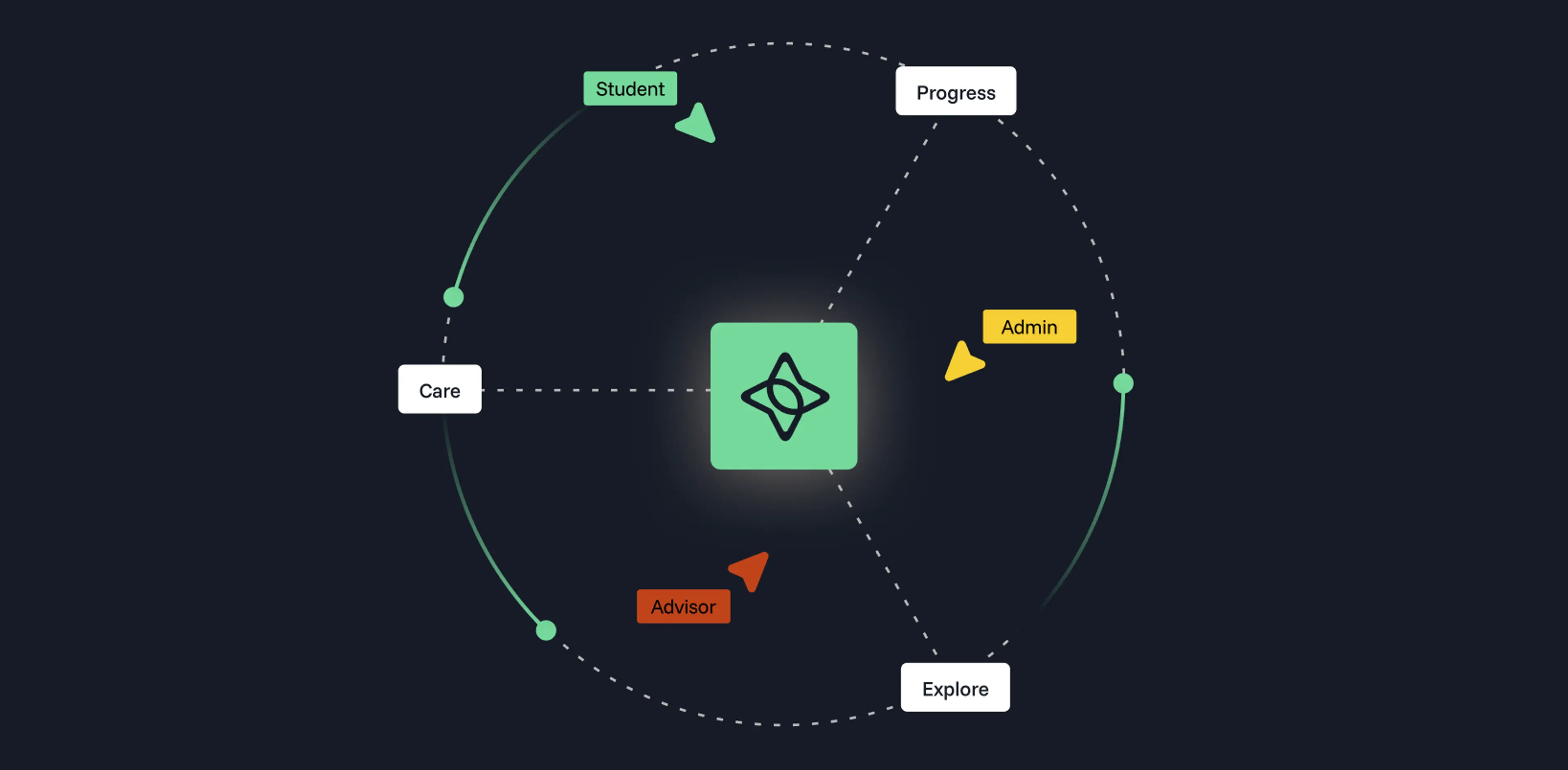
Effective cross-departmental collaboration requires shared context. Students move through the institution as whole people, but disconnected systems and processes prevent teams from seeing the full picture. When teams use connected systems and work from the same information, collaboration becomes easier and trust grows. Shared processes help teams understand each other's perspectives, creating a safer environment for addressing challenges and making decisions together.
Alignment between registrars and advising means advisors can easily share context, requirements are clear, and information moves instead of getting stuck. Students can see what's ahead, make confident decisions, and take ownership of their paths. Last but not least, institutions gain the capacity to do more with the resources they already have.
10 Questions to Assess Cross-Department Readiness
Many institutions believe they're already doing well with cross-departmental collaboration. After all, teams meet regularly, leaders emphasize the importance of working together, and there's genuine goodwill across units. But fostering collaboration isn't measured by intentions or the number of committee meetings on the calendar. It's measured by whether students experience consistency, whether staff have the information they need when they need it, and whether decisions made in one office strengthen rather than complicate the work happening in another.
The gap between perceived collaboration and actual collaborative capacity often becomes visible only when you ask specific questions about how information flows, how processes connect, and how teams navigate the daily realities of supporting students. Answer the following questions to reflect on how cross-functional collaboration shows up in your department. This assessment will help you identify where your institution stands and what opportunities exist to strengthen collaborative efforts across campus.
- Do our teams across campus have access to the same student information, or do they rely on separate systems and local workarounds?
- How often are our advisors, coaches, or staff members forced to reconstruct a student's history because notes or context are stored in different places?
- Do our students receive consistent answers when they move between advising, registrar, success units, athletics, or academic departments?
- Are our workflows aligned across units, or do similar processes exist in multiple versions with different expectations and rules?
- Do our systems reduce duplication of work, or do staff spend time re-entering information and verifying data across platforms?
- Are concerns identified proactively and routed to the right person, or do issues surface only after a student falls behind or asks for help?
- Do our students have a clear way to actively engage in planning and decision-making, or are they navigating multiple disconnected portals and documents?
- Is there consistency in how requirements, petitions, or exceptions function across the institution, or are these handled differently by department?
- Do cross-functional groups (advising, registrar, faculty, success units) regularly collaborate on shared processes, or do they operate primarily in parallel?
- Do our staff trust that the data they are using reflects the full student journey, or does inconsistency make it difficult to make confident decisions?
How did you do? If your results revealed gaps in cross-departmental collaboration, you're not alone. Recognizing where you stand is the critical first step. To improve, start by identifying the biggest pain points where disconnected information creates the most friction for students or staff. Look for one high-impact area where creating cross-campus student information sharing could make an immediate difference, whether that's unifying advising notes, clarifying degree requirements, or establishing open communication channels between different departments. Small steps toward alignment can begin building the foundation for more comprehensive collaboration, and early wins help build momentum and demonstrate value to skeptical stakeholders.
Moving Forward Together: Building a Culture of Cross-Team Collaboration
Strengthening cross-departmental collaboration isn't about adding more meetings or creating new committees. It's about creating the conditions where the work different teams are already doing can build on itself rather than working at cross purposes and open communication is the norm. It's about ensuring that when advisors share context, students understand what's happening and why. When degree paths are clear, students can move forward with confidence. When connected systems work together, staff can focus on students instead of on devising workarounds. When processes align, institutions gain time, capacity, and trust.
Technology plays an important role in breaking down silos in higher education, but it is most powerful when it helps bring clarity to information, reduces duplication, and supports shared understanding across teams. The goal isn't to replace good judgment with automation, but to create the conditions where cross-departmental collaboration, clarity, and connectivity can take hold.
Ready to dive deeper into how your institution can strengthen cross-functional collaboration? Download our full e-book "Better Together" to discover additional insights, institutional examples, and practical frameworks for creating the conditions where collaboration, clarity, and connectivity can transform the student experience on your campus.