A student stops showing up to a Tuesday lecture. Two weeks later they miss a midterm. By the time anyone with the power to help notices, the student has already decided to withdraw, and the conversation that might have changed their mind never happens. This is the gap that early alert systems exist to close.
An early alert system is a process, usually supported by software, that flags students who show early signs of academic or personal struggle so that advisors, faculty, and support staff can reach out before a small problem becomes a reason to leave. The signals can be anything from a string of missed classes to a dipping grade to a flag a professor raises by hand. The point is timing: help that arrives in week three lands very differently than help offered after finals.
Why early matters more than you'd think
Roughly one in five first-time, full-time students at four-year institutions doesn't return for a second year, according to the National Center for Education Statistics. Most of those departures aren't sudden. They build over a semester through warning signs that were visible to someone, just not to the right someone at the right moment. Worth noting that some of those students do continue elsewhere, which is the difference between persistence and retention.
Here's the reality: a professor might notice a student going quiet, and an advisor might notice a registration hold, but if those observations never reach the same place, no one sees the whole picture. An early alert system's real job is to connect those scattered signals into a single, timely view so a caring human can act while acting still helps.
What the signals actually look like
Early alerts draw on the information a campus already has. Attendance dips, low quiz or assignment scores, missed financial aid deadlines, and midterm grade flags are common triggers. Some institutions add faculty-raised concerns, where an instructor can flag a student they're worried about in a few clicks. Credit accumulation belongs on that list too, and our look at credit momentum explains why credits earned per year predicts graduation better than GPA does.
The strongest programs treat these as prompts for a conversation, not verdicts. A flag doesn't mean a student is failing. It means someone should check in. That framing keeps early alerts supportive rather than punitive, which matters because students who feel surveilled disengage, while students who feel supported tend to stay.
How outreach turns a flag into a save
A flag is only useful if it reaches a person who can respond. Good early alert workflows route each alert to the right owner, an advisor, a success coach, or the instructor, with enough context to make the outreach personal rather than generic. The student gets a message that sounds like it came from someone who knows them, because it did.
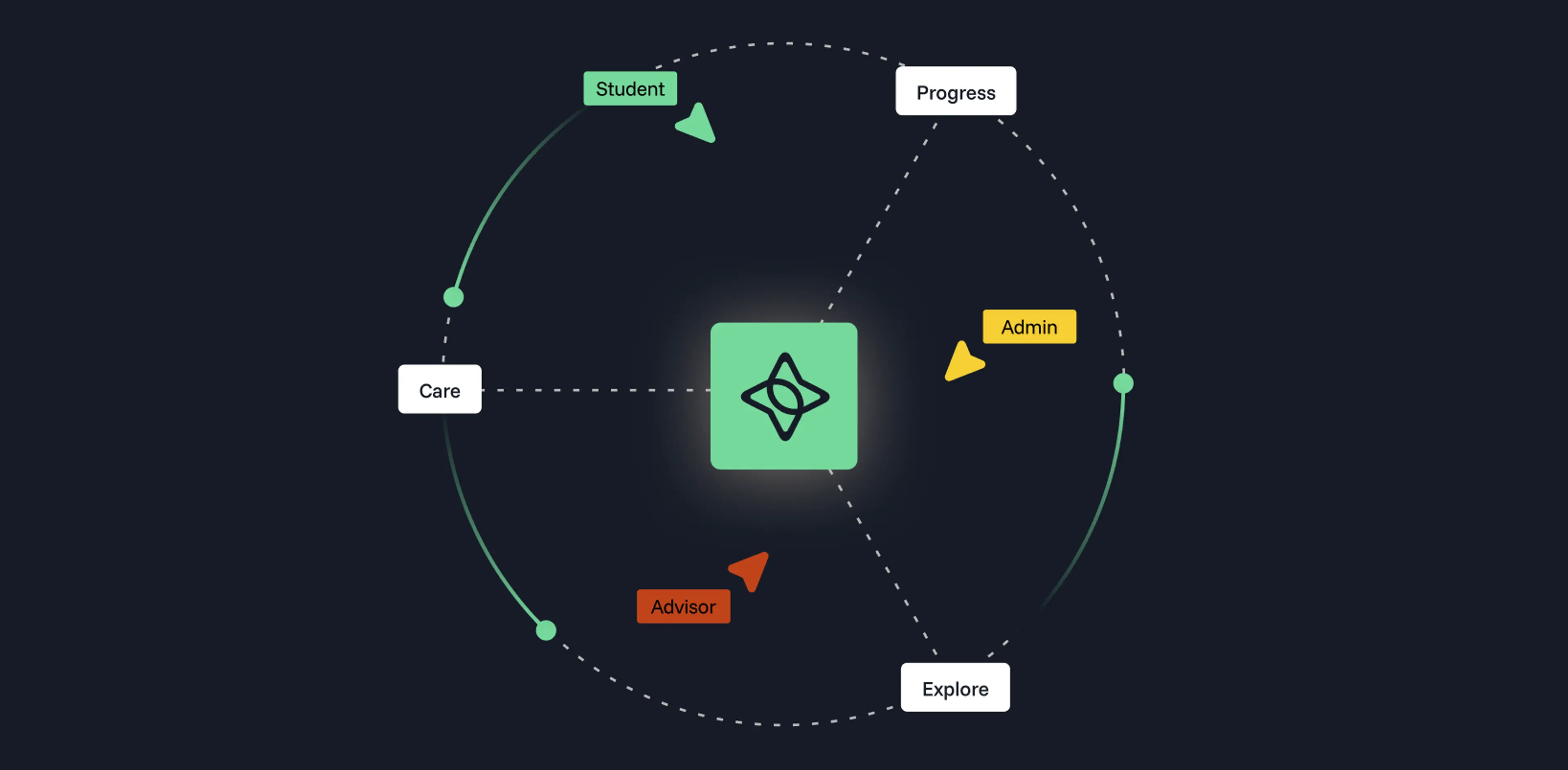
This is where a connected platform earns its keep. When advisors can see a student's plan, progress, and flags in one place, the check-in becomes specific: "I noticed you dropped chem, let's look at how that affects your spring plan." Stellic's Care module is built around exactly this kind of proactive outreach, giving advisors the full context behind a flag so the follow-up feels human. You can see the broader approach on the advisors solution page.
Closing the loop so alerts don't pile up
An early alert system that only generates alerts creates busywork. The programs that work close the loop: every flag gets an owner, an action, and an outcome that's recorded, so the next person who talks to the student isn't starting from zero. Over a semester, that history becomes its own early warning, showing which interventions actually moved a student back on track.
That kind of follow-through doesn't happen by accident. It takes clear ownership, light-touch tools, and a culture where reaching out early is everyone's job, not an extra task bolted onto an already full week.
Early support is really about belonging
Strip away the software and an early alert system is a promise: we will notice when you're struggling, and we will reach out before it's too late. Students who believe that promise are more likely to ask for help, more likely to stay, and more likely to graduate. That's the outcome every institution is really after.
If you're rethinking how your campus spots and supports struggling students, we'd love to talk. Request a demo and we'll walk through what proactive support can look like on your campus.